VN
Should you choose domestic or imported spiral welded steel pipes? Detailed analysis of advantages and disadvantages, price, quality, helps you choose the right spiral welded steel pipe for your project.
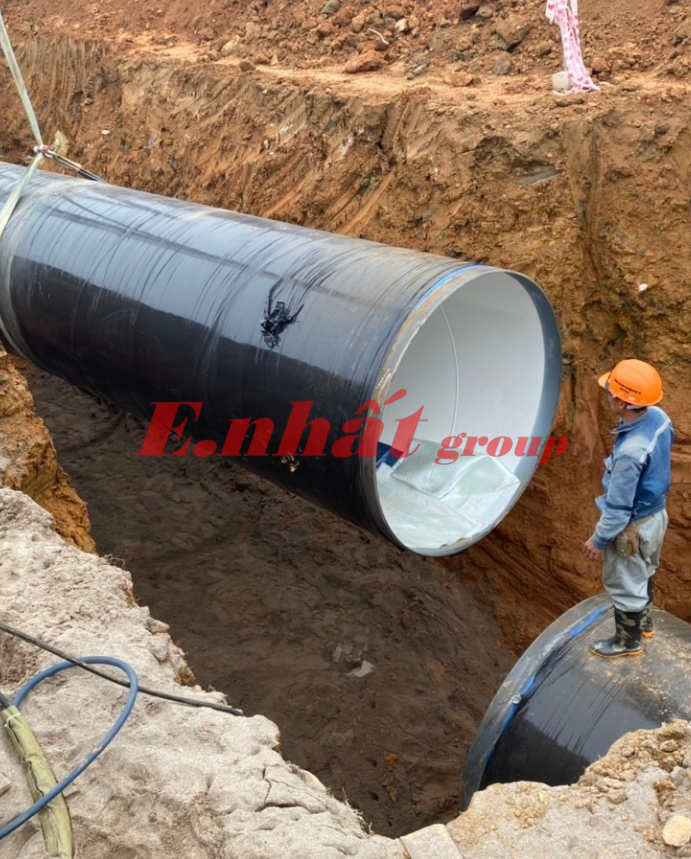
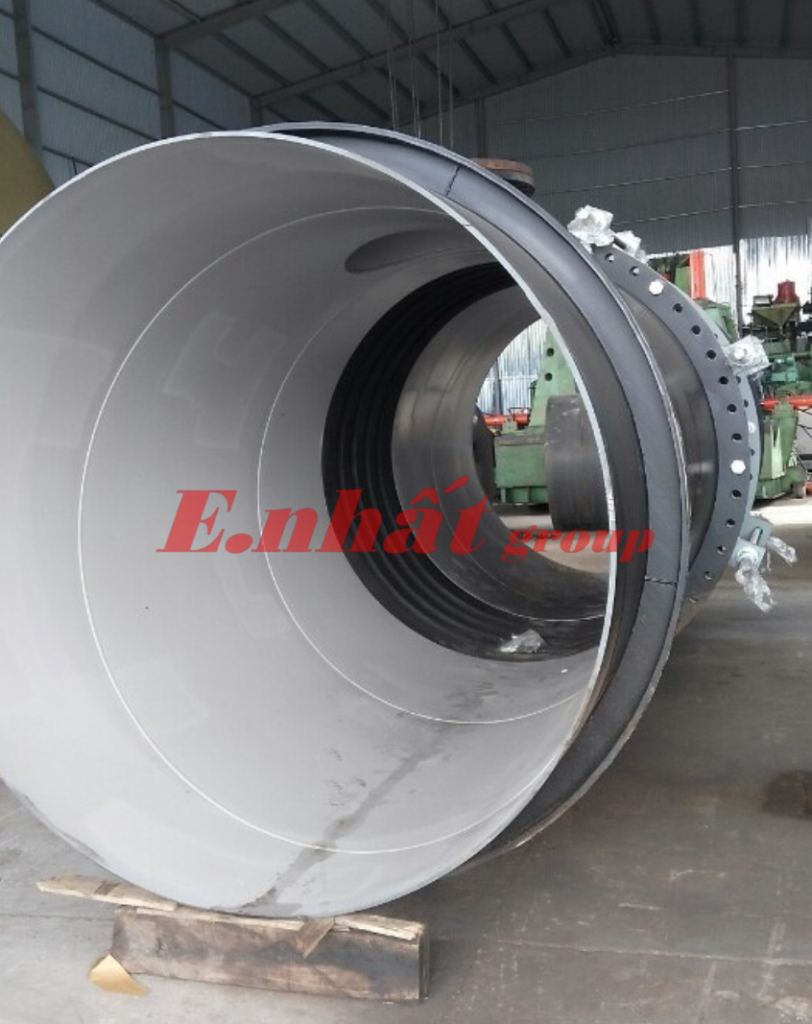
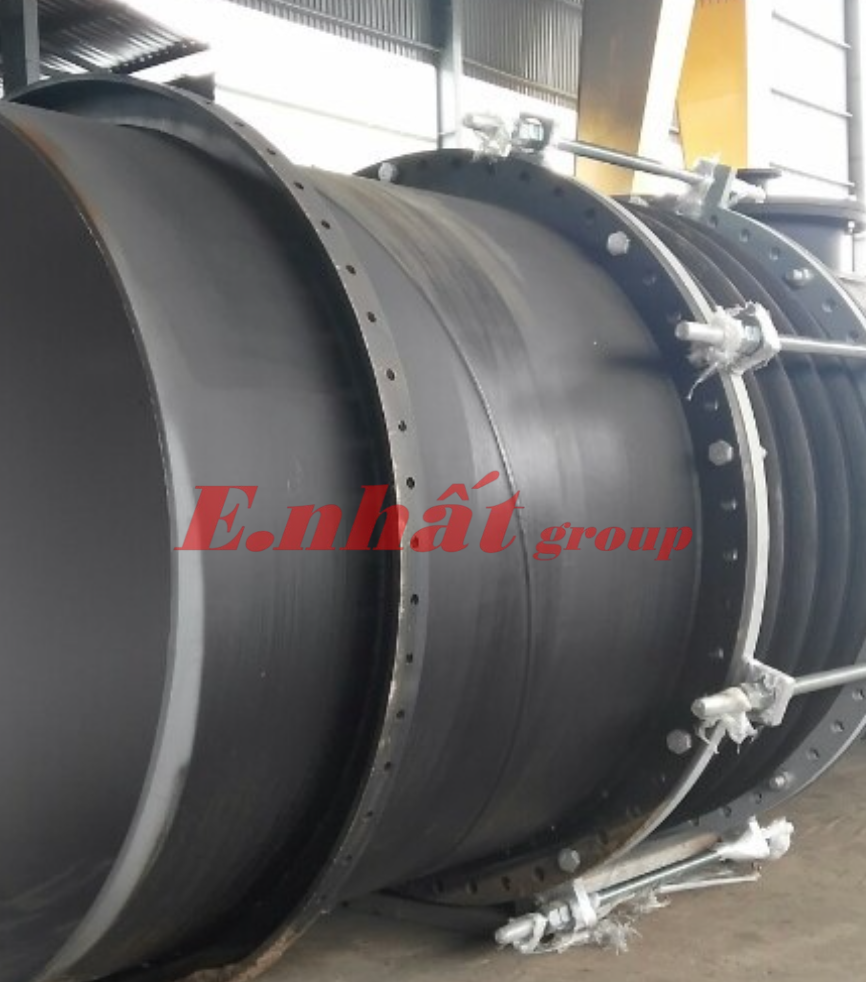
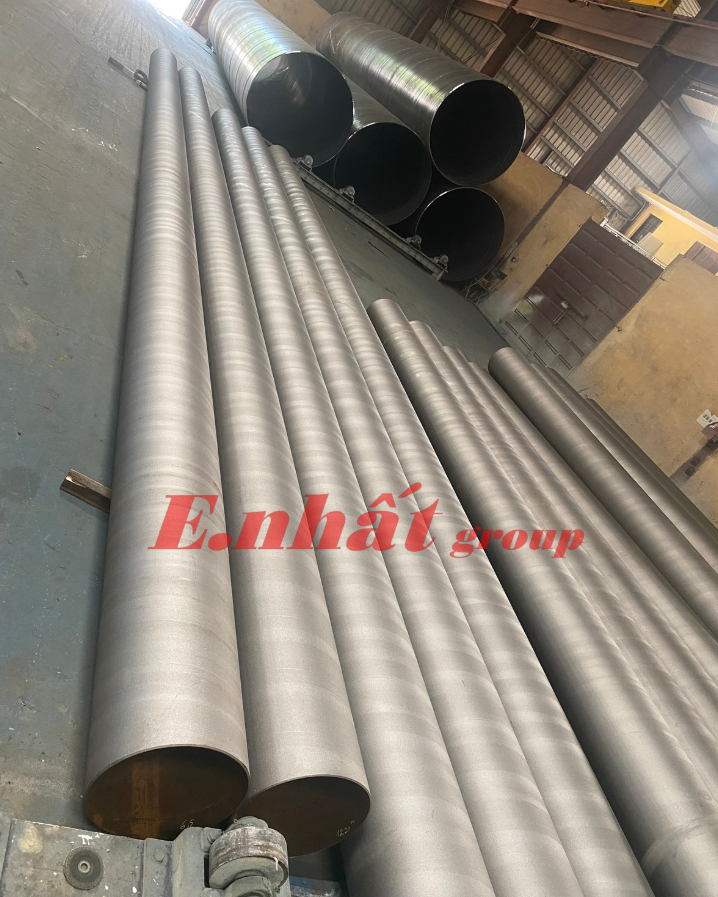
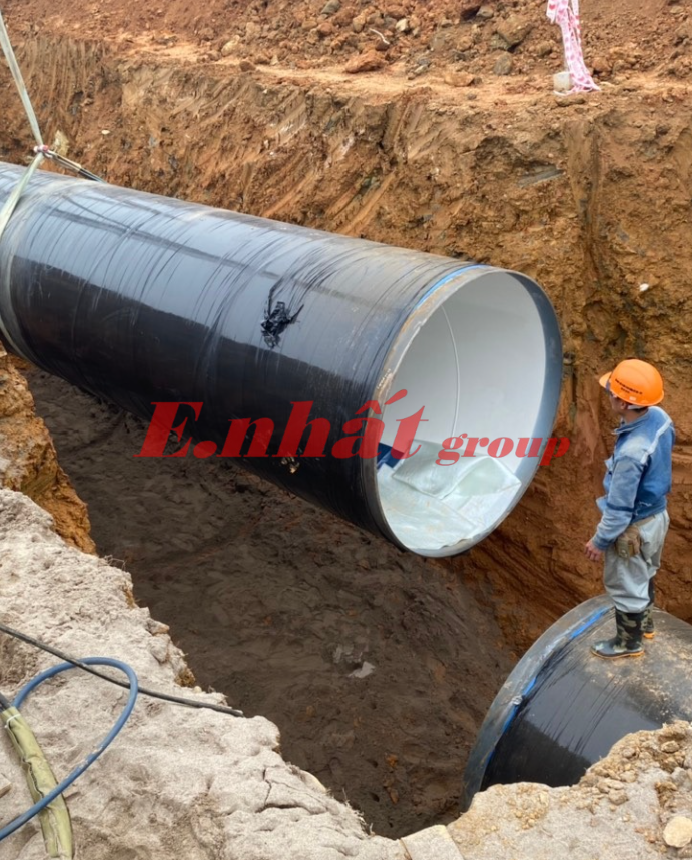
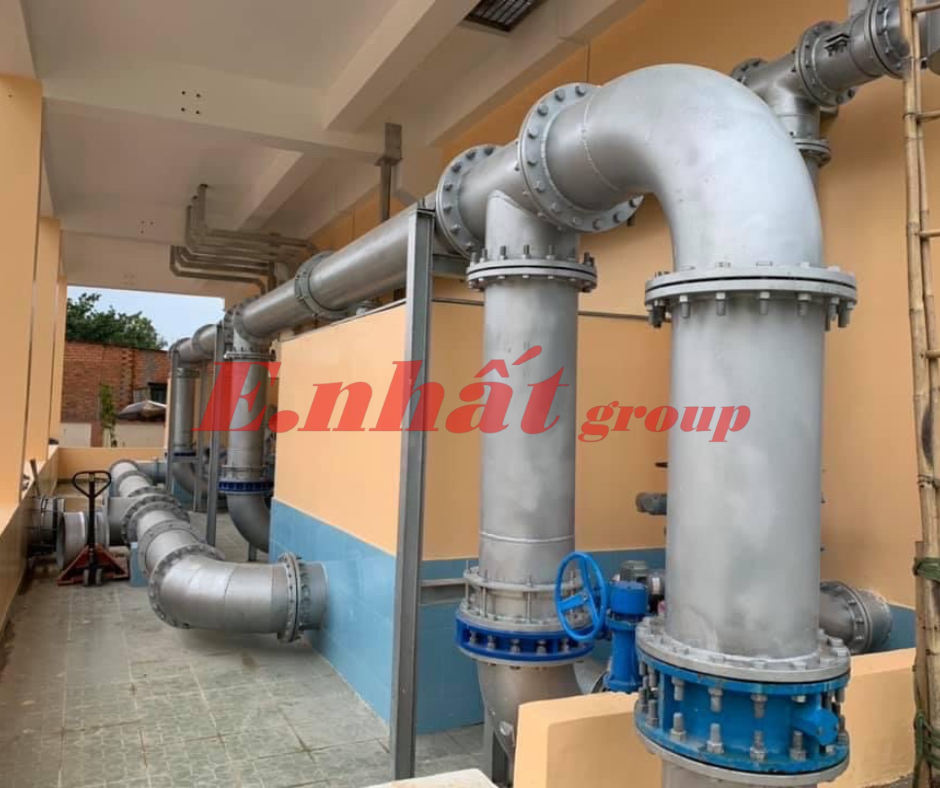
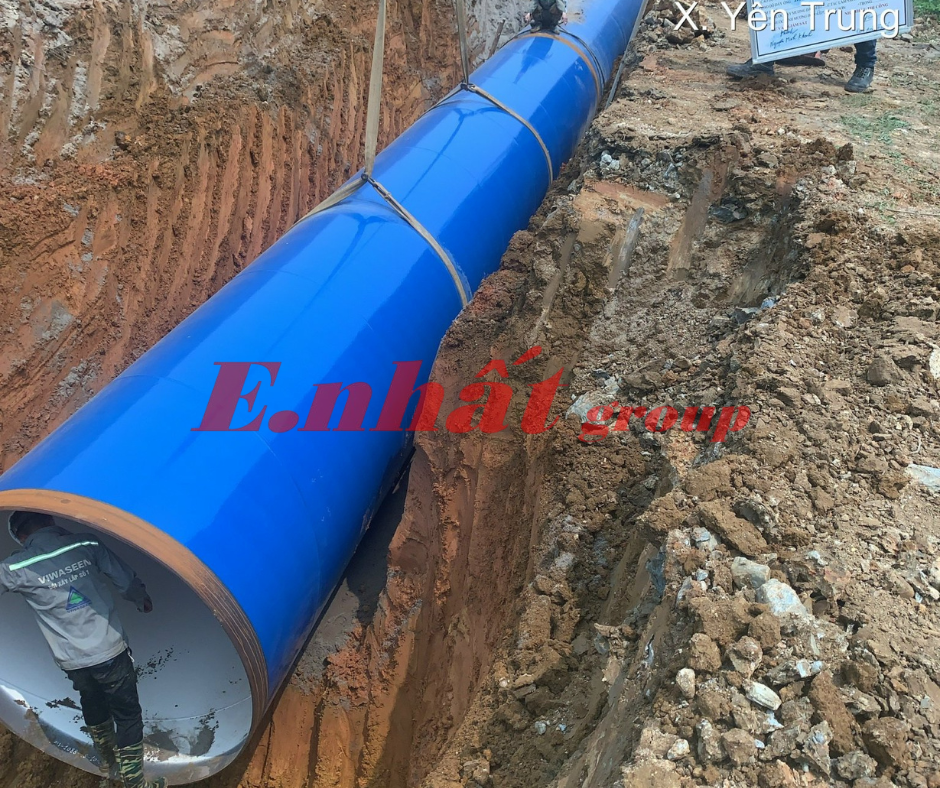
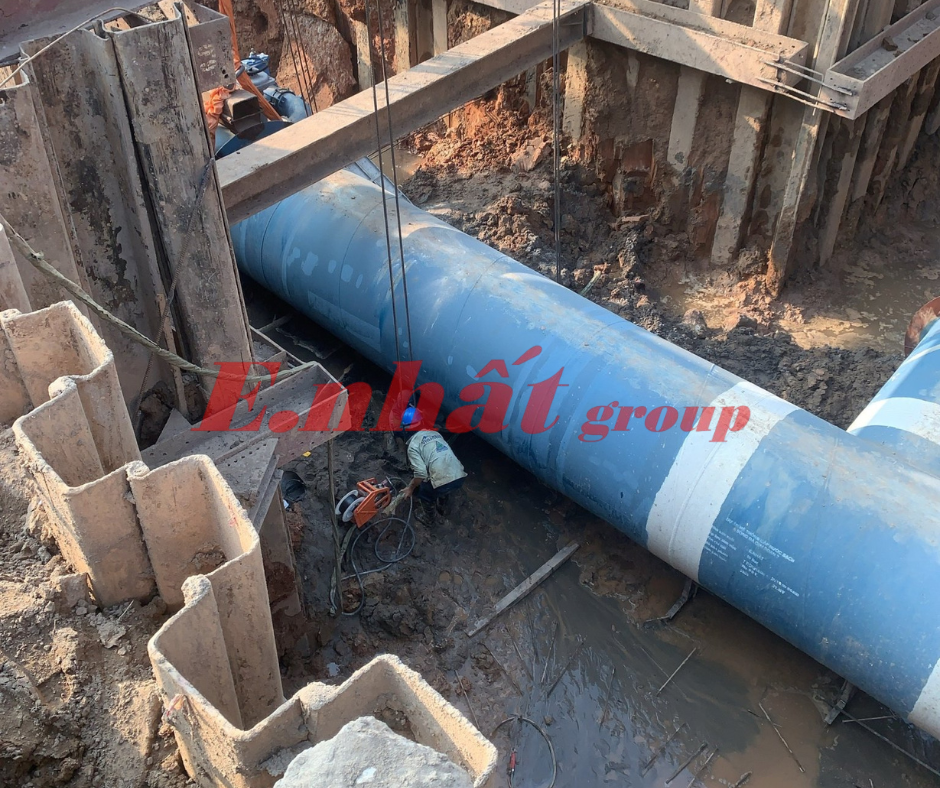
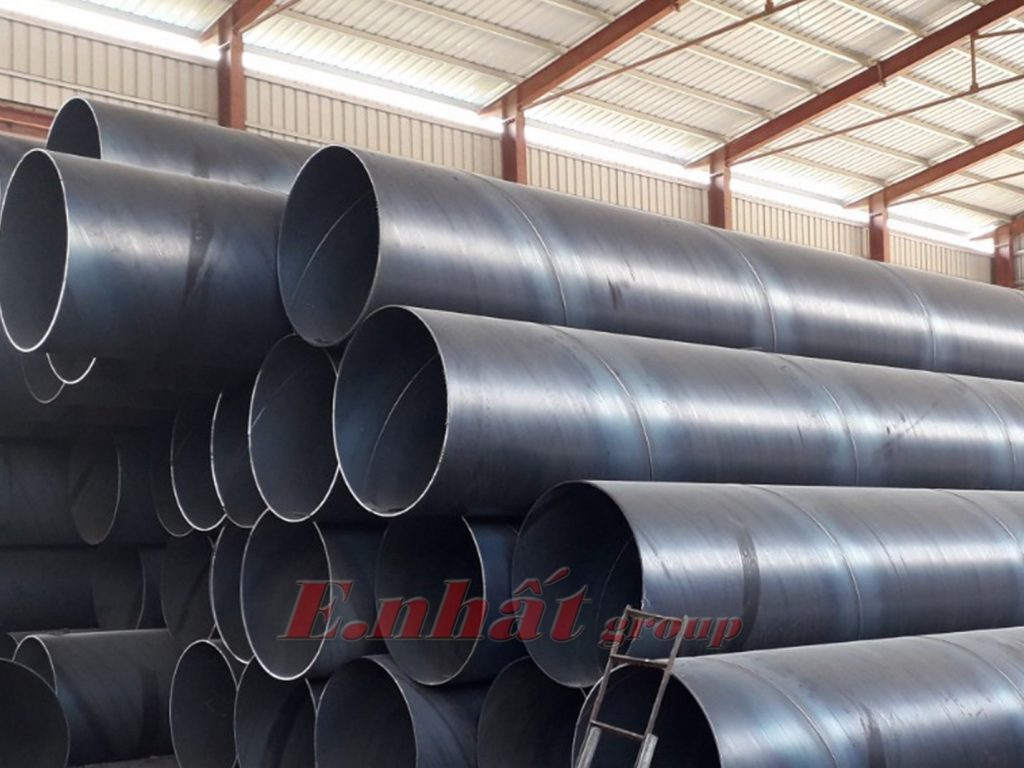
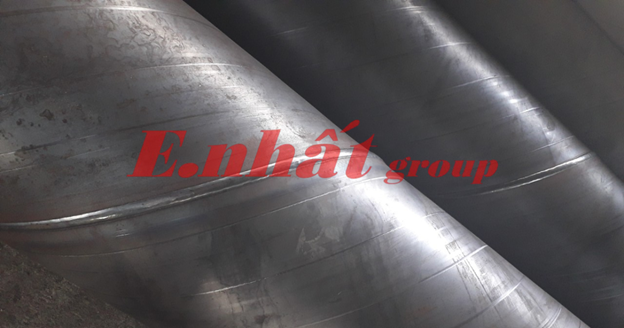
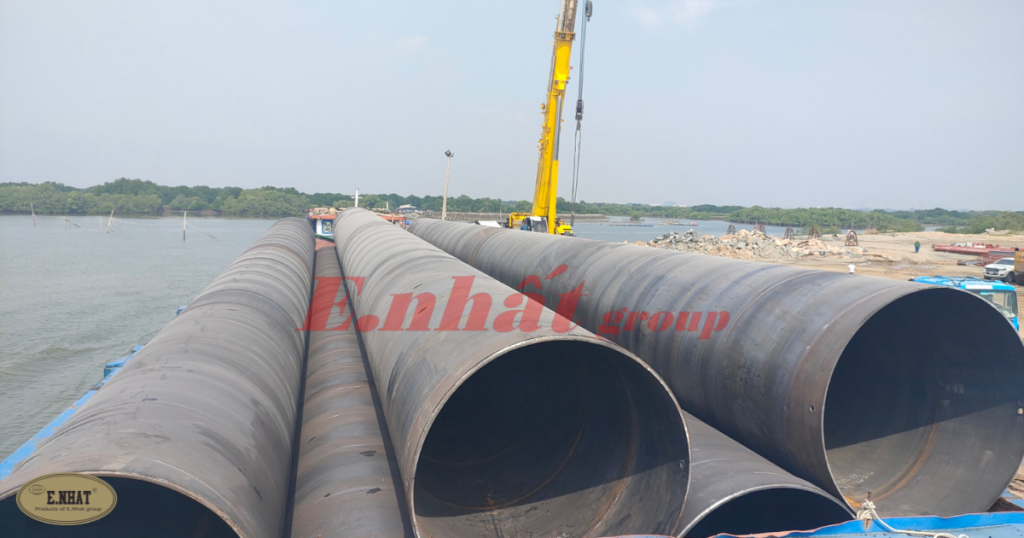
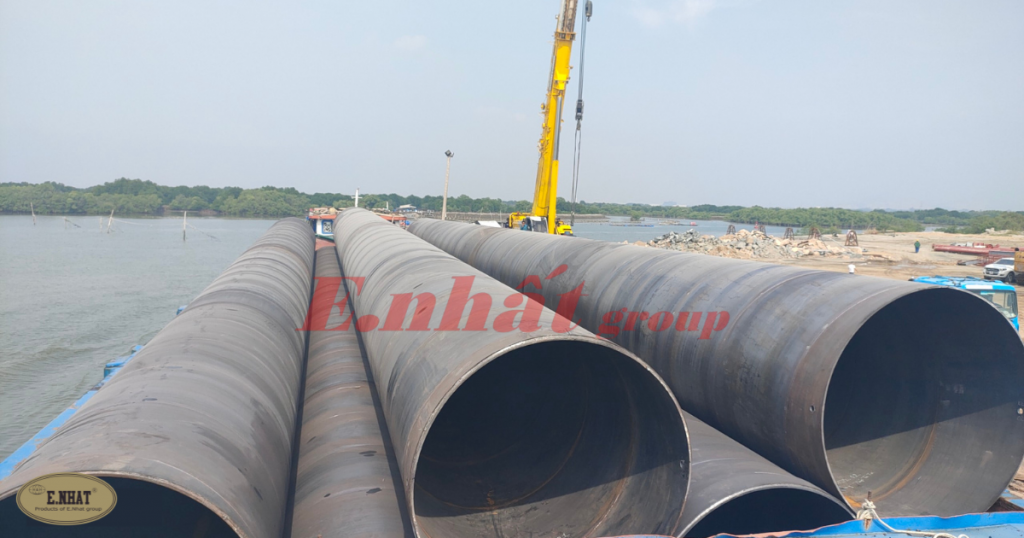
Spiral welded steel pipes are commonly used in infrastructure construction, water supply and drainage, irrigation, oil and gas and many heavy industries. When choosing this type of pipe for a project, many businesses and investors often wonder whether to use spiral welded steel pipes from domestic manufacturers or choose imported goods. Each option has its own advantages and limitations. This article will analyze in detail, helping you make the most appropriate decision for your project.
1. Overview of spiral welded steel pipes
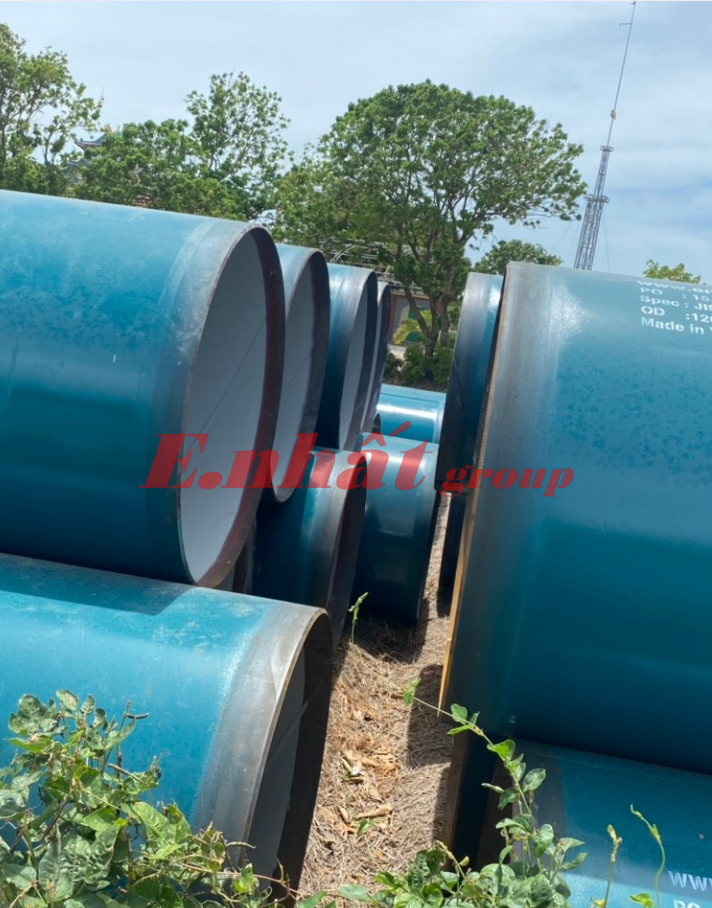
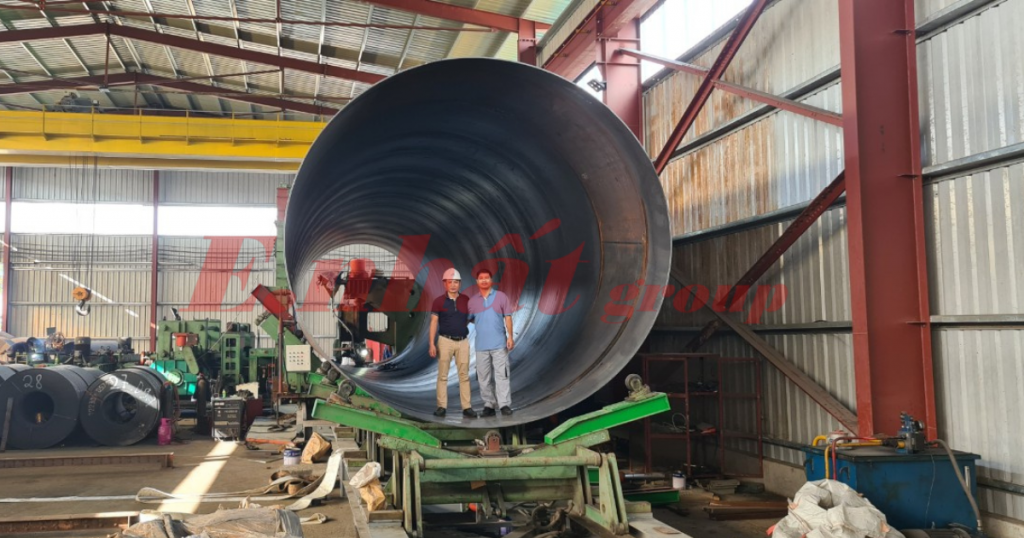
- Large diameter: Usually from 400 mm to more than 4020 mm.
- Wall thickness from 5 mm to 30 mm (or more depending on requirements).
- Withstand high pressure, suitable for water, oil, gas or for load-bearing structures.
- Easy to customize size, meeting diverse needs.

2. You should choose domestically produced steel pipes when:
-
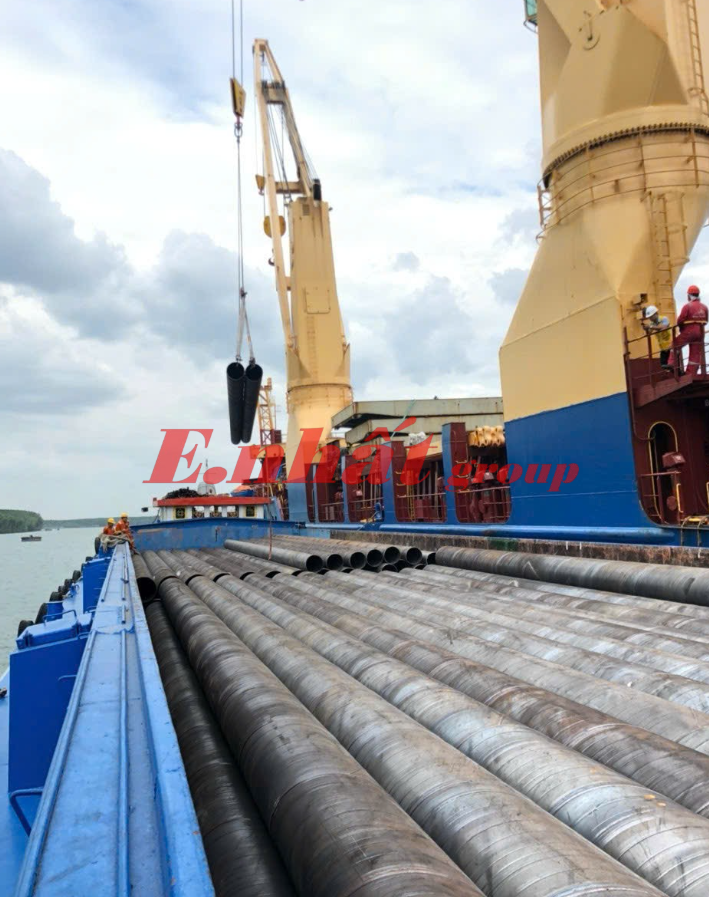
Need to ensure fast delivery progress: No time wasted on sea transport and customs clearance. Be proactive in monitoring production and delivery progress.
-
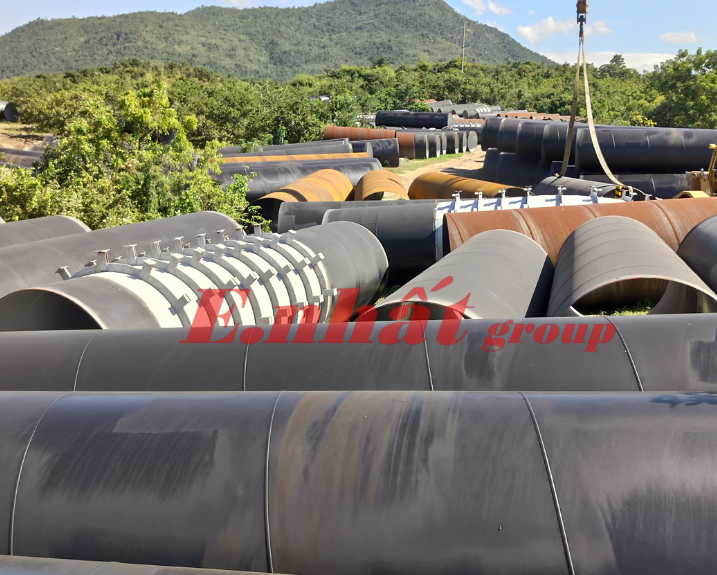
Need to be flexible in size, order according to requirements: Many domestic factories (such as E.NHAT, Hoa Phat, Vietnam Steel Pipe…) are capable of manufacturing according to specific specifications. Easy to exchange, survey the site, monitor quality.
-
Need to optimize logistics costs: Reduce transportation, storage, insurance and import tax costs. Suitable for medium and large projects with tight budgets.
-
Need clear warranty and after-sales service: Domestic suppliers support warranty and return faster than imports. Easy to handle when there are technical problems or lack of materials.
- Some small factories are not yet synchronized in technology, product quality is unstable if they do not choose the right reputable supplier.
- Production scale sometimes cannot meet extremely large orders such as key national projects if relying on only one factory.
3. You should choose imported steel pipes when:
- Require strict international standards: Projects with FDI capital or specific technical standards (JIS, AWWA, etc.) sometimes require original certificates from foreign manufacturers.
- Require large-scale products, available from foreign warehouses: Some types of large-sized pipes, special thicknesses or special steel grades may not be commonly produced domestically.
- Have a master contract with an international EPC contractor: In EPC general contractor projects, the synchronous import of materials is required according to the contract or technical requirements.
- High cost: Import prices are often higher due to taxes, transportation fees, storage fees, customs clearance fees, etc.
- Delivery risks: Long transportation time (30-60 days or more), easy to be delayed due to the influence of objective factors such as epidemics, natural disasters, international conflicts.
- Difficult to handle warranty: If a technical error occurs, warranty and return procedures often take a lot of time and money.
4. COMPARISON OF DOMESTIC STEEL PIPE AND IMPORTED STEEL PIPE
|
Criteria |
Dosmetic (from VN) | Import to VN |
| Delivery time | Fast, proactive and flexible |
Long, depends on customs clearance |
|
Cost |
Competitive, flexible |
May be higher, additional charges apply |
|
After-sales, warranty |
Convenient, direct | Difficult, supplier dependent |
| Meet international standards | Yes (depending on manufacturer) |
Usually more complete |
|
Flexibility in ordering |
High |
Lower |
🎯 Strategy suggestions:
- If the project requires high technical requirements, but still needs flexibility and progress control, you can prioritize reputable domestic manufacturers with international certification and export capacity.
- For most civil, industrial and water supply and drainage system construction projects – you should prioritize reputable domestic manufacturers, so you will be more proactive in all aspects.
- For special projects, extremely large scale, or technical requirements beyond domestic production capacity, you can consider importing from reputable international suppliers.
- Companies like E.NHAT have now met JIS, AWWA, ISO standards and have experience supplying both domestic and foreign markets.
Xem thêm: Ống thép xuất khẩu Mỹ
5. Notes when choosing a spiral welded steel pipe supplier
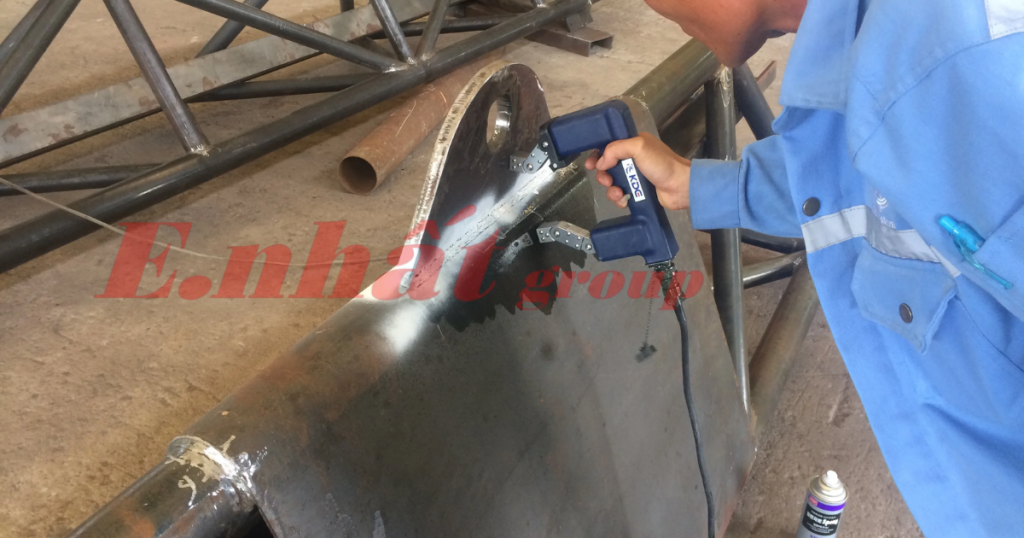
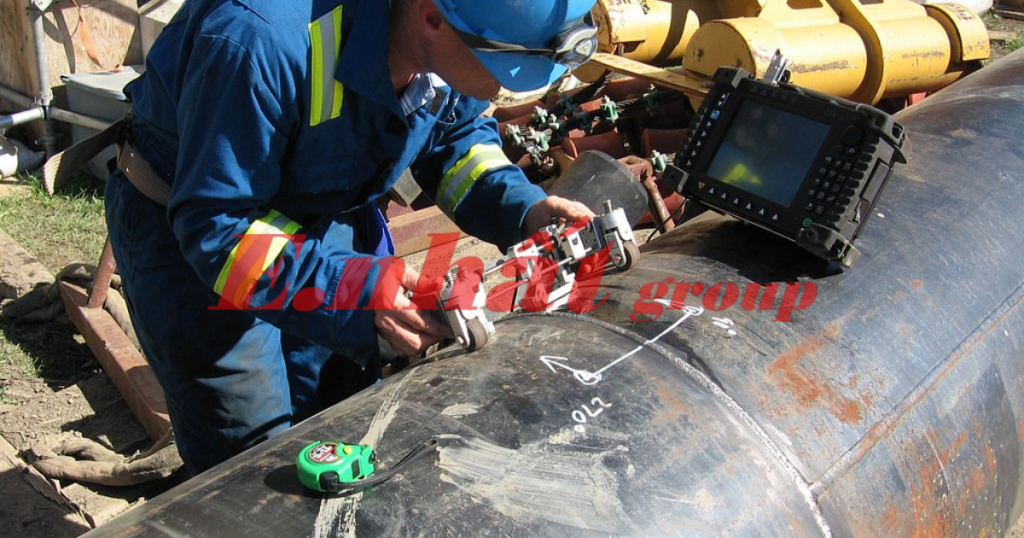
- Check the factory certificate, technical standard certificate (JIS, AWWA< BS EN, ISO)
- Evaluate the manufacturer’s capacity: Technology line, provided project documents, factory scale.
- Request sample inspection or acceptance at the factory before delivery.
- Review the contract clearly about progress and warranty.
Conclusion
Choosing spiral welded steel pipes from domestic or imported manufacturers should be based on many factors: cost, progress, technical requirements, project scale. In the context of domestic enterprises increasingly investing in modernization, the quality of spiral welded steel pipes produced in Vietnam has approached international standards and become the optimal choice for most projects. Please consider carefully to choose the right supplier, ensuring safety and economic efficiency for the project.
Consulting – Quotation – Supply of Spiral Welded Steel Pipes
👉 Contact us now for advice and the latest spiral welded steel pipe quote!