

 VN
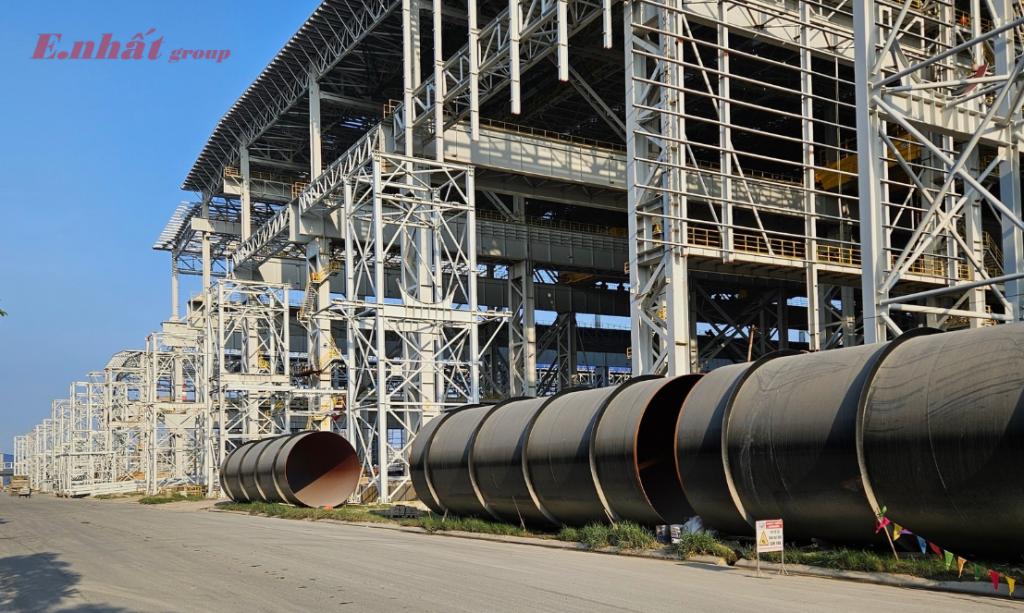
Distinguishing hot rolled steel and cold rolled steel: understanding the process, characteristics and applications helps to choose the right material. E.NHAT – specializes in providing high quality spiral welded steel pipes.
In the steel industry, understanding the difference between hot-rolled and cold-rolled steel not only helps engineers and contractors make the right choice, but also directly affects the quality, cost and durability of the product, especially in projects using spiral welded steel pipes. This article will help you clearly distinguish between these two types of steel, from the production process, physical characteristics to practical applications – all compiled from many reputable technical sources and practical experience.
1. What is hot rolled steel?
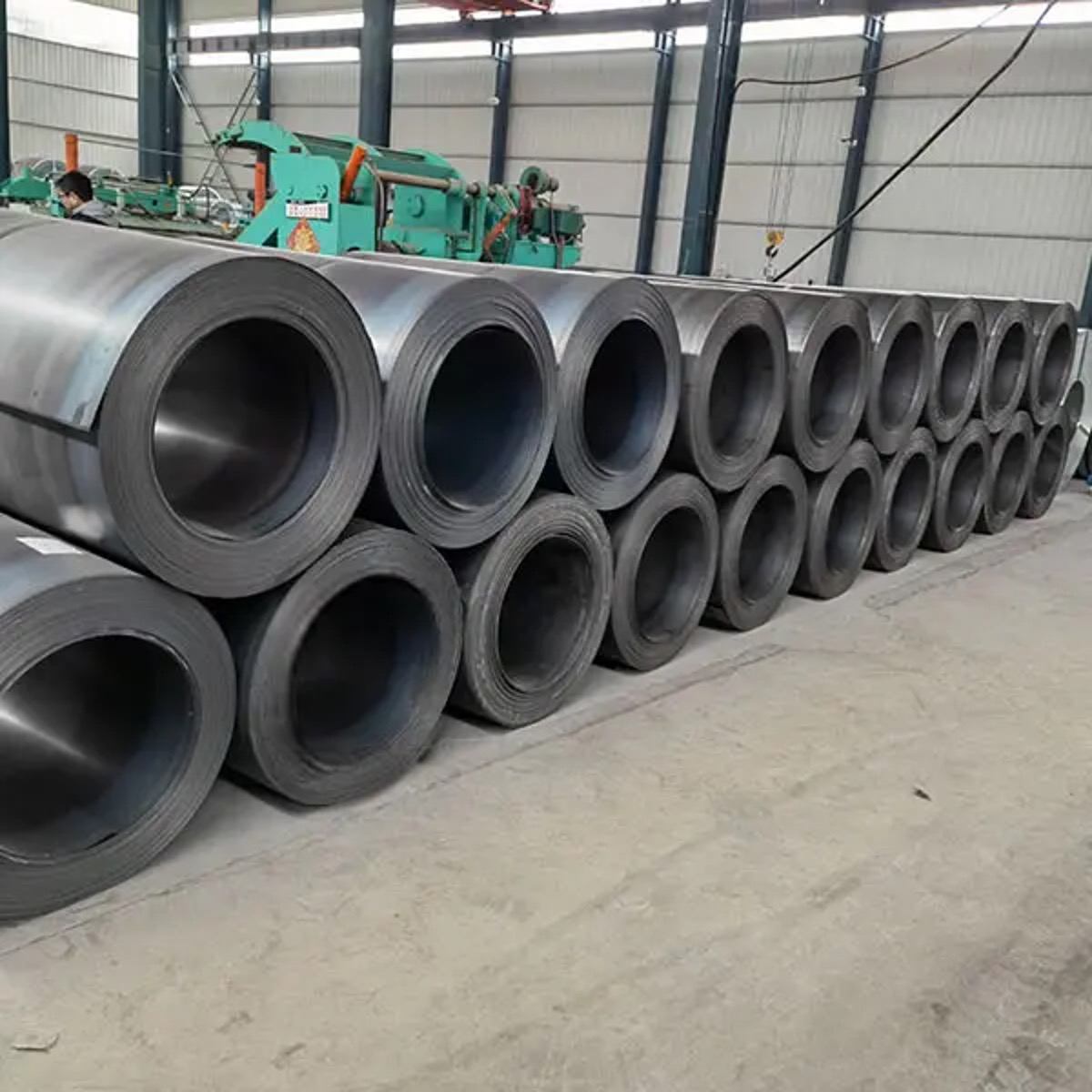
Hot rolled steel is a product made by processing steel at high temperatures – usually above 926°C (the recrystallization temperature of steel). At this temperature, the steel is easily shaped into sheets, coils, or tubes.
Outstanding features of hot rolled steel:
- Rough surface, may have dark oxide layer due to oxidation at high temperature.
- Easy to shape, suitable for large parts, structures that do not require high precision.
- Lower production cost than cold rolled steel.
- High mechanical strength, suitable for load-bearing structures such as beams, steel frames, and spiral welded steel pipes.
2. What is cold rolled steel?
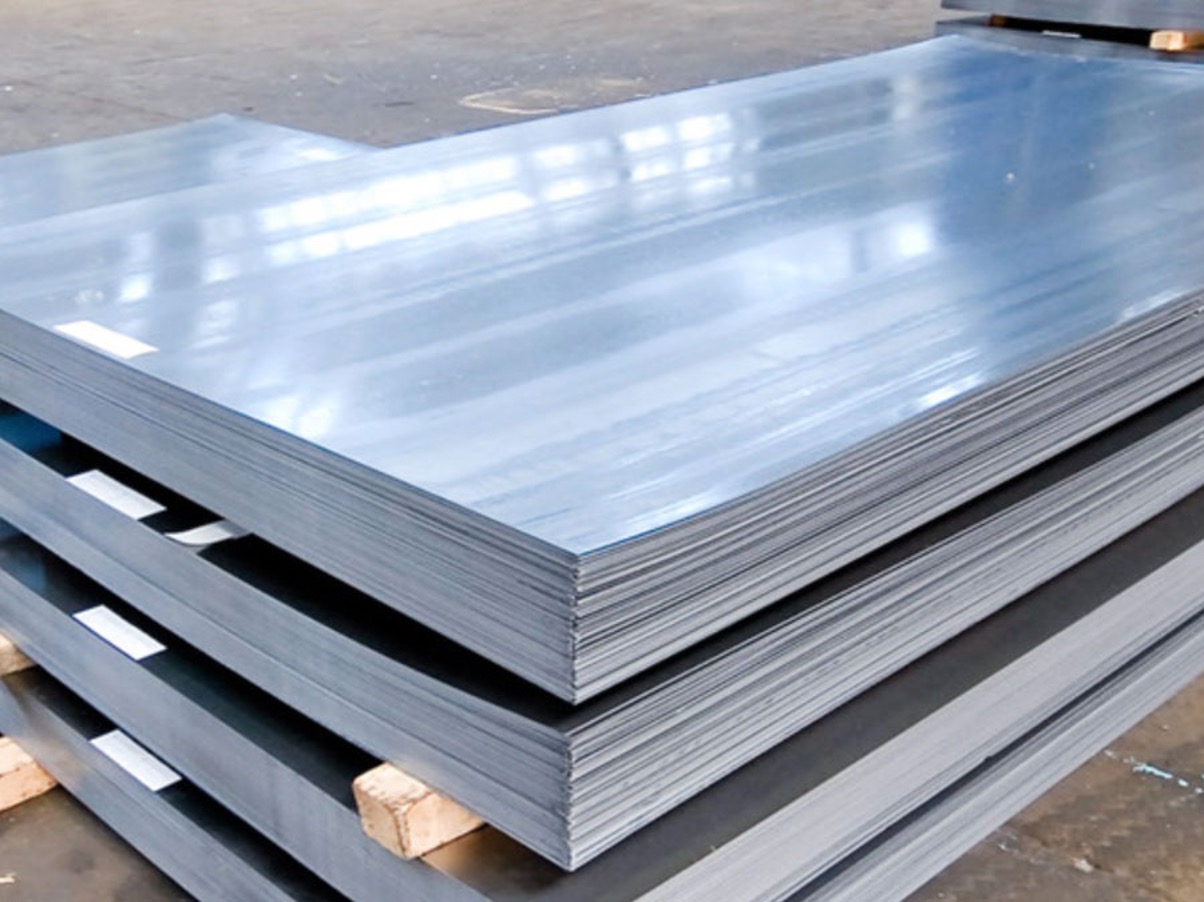
In contrast to hot rolled steel, cold rolled steel is produced by processing steel at room temperature (after hot rolling and cooling), through high-precision rolling mills. This process gives the steel a more precise shape and a smoother surface.
Outstanding features of cold rolled steel:
- The surface is shiny, smooth, and has high aesthetics.
- More precise dimensions, less deformation.
- Higher hardness and tensile strength, but also more brittle than hot-rolled steel.
- Higher cost due to complex manufacturing process.
- Suitable for parts requiring high precision such as household appliances and automobile components.
3. Detailed comparison: Hot rolled steel vs. Cold rolled steel
| Criteria | Hot rolled steel | Cold rolled steel |
| Production temperature | > 926°C (high) | Room temperature |
| Surface | Rough, blue gray | Smooth, bright, aesthetic |
| Dimensional accuracy | Lower | Very high |
| Reworkability | Easy to cut, bend, weld | More difficult to bend, prone to cracking if bent deeply |
| Typical applications | Industrial structure, spiral welded steel pipe | Household appliances, cars, metal furniture |
| Cost | Lower | Higher |
4. Impact on spiral welded steel pipe products
Spiral welded steel pipes are produced from hot rolled steel coils, due to:
- Good formability: easy to roll into spiral shape when processing.
- High tensile strength and bearing capacity: suitable for load-bearing requirements of water and gas pipelines, bored piles, and wharf structures.
- Optimal production cost, suitable for large-scale projects.
Meanwhile, cold rolled steel is not commonly used to produce spiral welded steel pipes due to its brittle properties and high hardness, making it difficult to bend into a spiral shape without cracking.
5. Pratical application of rolled steel
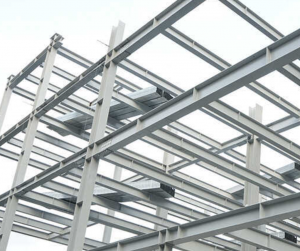
- Hot rolled steel: Civil and industrial steel structures. Ship hulls, drilling rigs. Spiral welded steel pipes for water supply and drainage systems, gas, foundation piles.
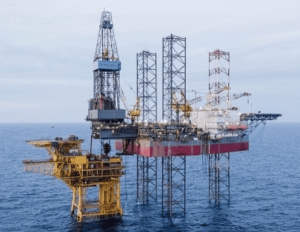

- Cold rolled steel: Production of cars, refrigerators, washing machines. Coating materials, galvanized. Machine parts requiring high precision.


6. Common Misconceptions
- “Cold rolled steel is always better because it is more expensive” – Not entirely true. Whether it is better or not depends on the specific application. For example, in the spiral welded steel pipe manufacturing industry, hot rolled steel is the preferred choice.
- “Cold rolled steel is unheated steel” – False. Cold rolled steel still has to go through the initial hot rolling stage, then it is further processed at room temperature.
7. Conclusion: Which type of steel should you choose for your project?
The choice between hot rolled and cold rolled steel should be based on:
- Project technical requirements: precision, strength, bending ability.
- Investment budget: hot rolled steel has lower cost.
- Practical application: if you need to construct pipelines, steel piles, load-bearing structures – hot rolled steel and spiral welded steel pipes are the number 1 priority..